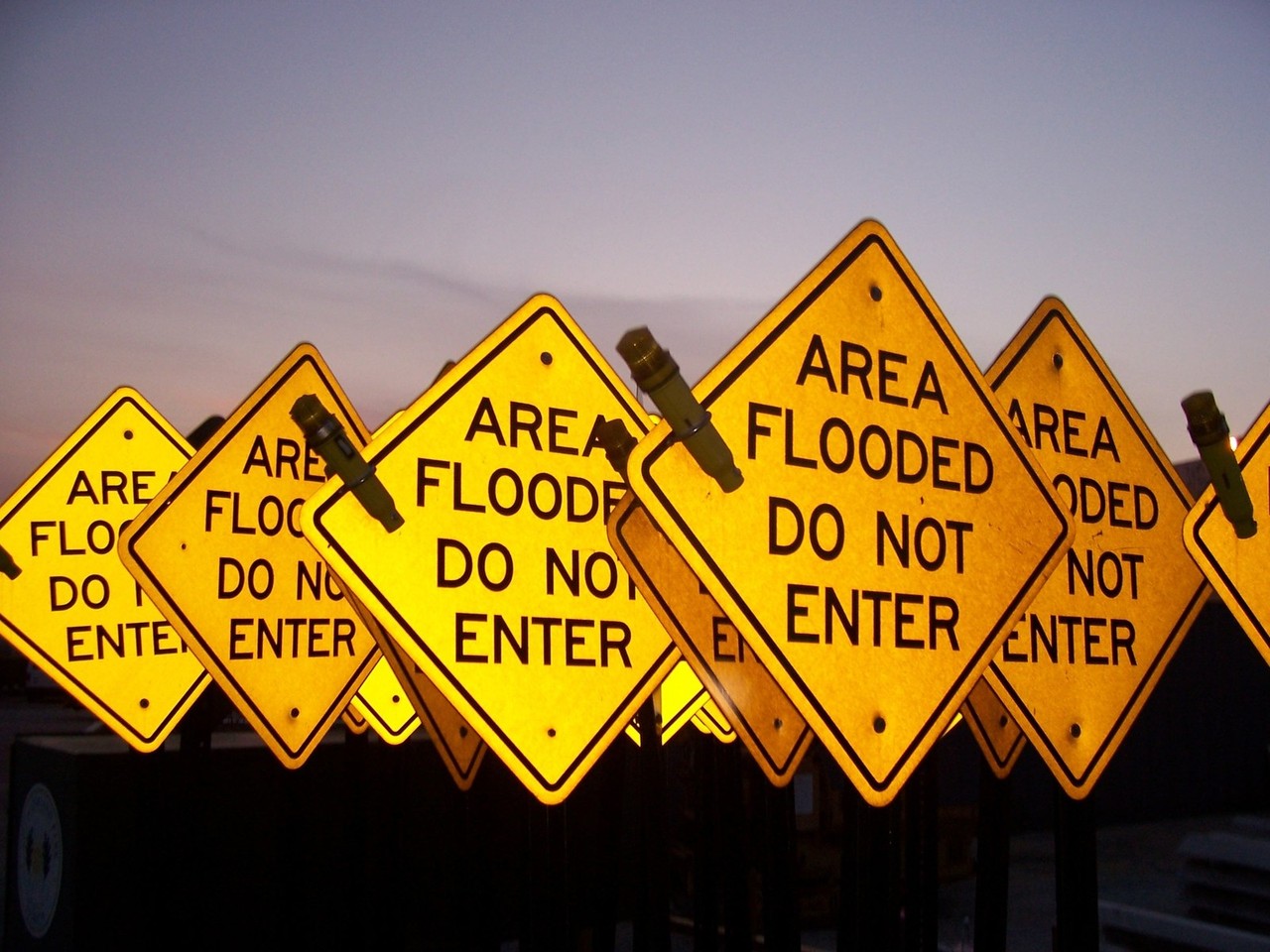

In the aftermath of Hurricane Harvey, many Texans are discovering that SURPRISE, homeowners insurance doesn’t cover flooding. The damage from Harvey was from torrential rains, not wind, and in most cases will not be covered by insurance. Only those with Federal Flood Insurance will be covered, but most people do not have flood insurance unless you live in a flood zone that requires it.
If you have a mortgage and thought that you’d be covered by your homeowner’s insurance or that the bank would forgive your loan, sorry, but even if your house is a total loss you still owe every penny of your mortgage balance. What can you do? For counties which are declared a disaster area by FEMA, you may be eligible for Federal Assistance.
FEMA’s Individuals and Households Program (IHP) provides grants to those in disaster counties. You can apply online at disasterassistance.gov or by phone at 800-621-FEMA (3362). To apply, you must have already filed a claim with your insurance and been denied. The IHP will not pay for your deductible, if the damage is covered. For those who receive a grant, you must agree to purchase and maintain Federal Flood Insurance on your property going forward.
The IHP offers two types of assistance:
1. Housing Assistance, including lodging expense reimbursement, rental assistance, and repair or replacement of your primary residence. The IHP only covers a primary residence and not a vacation home, rental property, or other type of property.
2. Other Needs Assistance, such as damage to household goods, vehicles, cleanup costs, medical expenses, child care, or funeral expenses.
The IHP is a terrific program to help cover disaster costs which are uninsured, however, the limit is only $33,000 and many homeowners will easily exceed this amount if their home has been sitting in three feet of water. A grant through the IHP is non-taxable and does not have to be repaid.
The Small Business Administration (SBA) offers Home and Property Disaster Loans of up to $200,000 to homeowners – and you do not need to be a small business owner. The loan must be used to repair or rebuild your home after it was damaged.
While homeowner’s insurance does not cover losses from flooding, most auto insurance policies do. Current estimates are that 500,000 cars will be total losses from Hurricane Harvey and most are covered by insurance. Rental companies, insurers, and car makers are already shipping significant numbers of vehicles to Texas to help people get back on the road.
If you’ve been impacted by Hurricane Harvey and have questions, please feel free to call or email me. And if you haven’t been impacted, it might be a good time to actually look at your insurance policies in some detail and figure out what is covered and what is not covered. No one likes surprises when it comes to insurance.